In today’s digital age, your website or application is both the face and the engine of your business. Its availability is no longer just a technical matter; it has become a primary determinant of revenue, brand reputation, and customer trust. Every second your service is inaccessible, you are not only losing money but also damaging the most valuable asset you have spent years building. This article will break down why uptime monitoring is a strategic necessity and how to choose the right solution for your business scale.
The Unseen Financial Drain When Your Server is Down
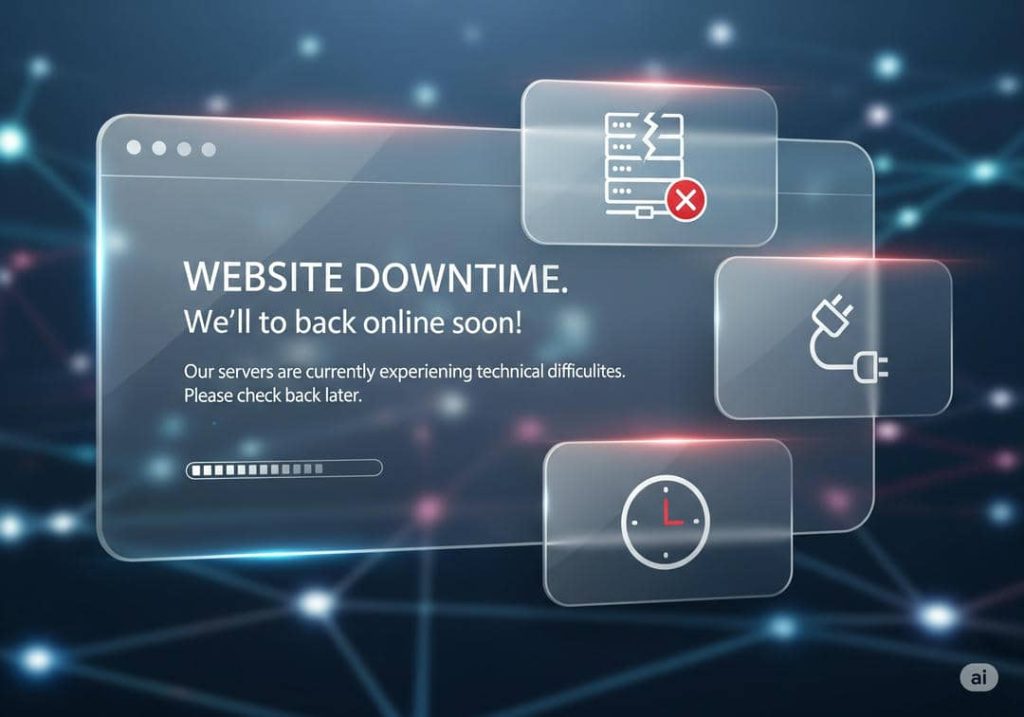
The most direct impact of downtime is the complete halt of all revenue-generating activities. For an online business, this means a 100% loss of sales and lead generation for the entire duration of the outage. This cost has increased dramatically. By 2024, the average cost of downtime is estimated to be around $9,000 per minute. For large enterprises, the figures are far more staggering. A survey found that one hour of downtime can cost more than $300,000, with some even exceeding $5 million per hour. These losses vary by industry; for instance, the retail sector can lose $1.1 million per hour, while telecommunications can lose up to $2 million per hour. These numbers prove that monitoring is not an expense, but an insurance policy to prevent catastrophic financial loss.
The Erosion of Trust and Brand Reputation
The severe financial losses are often dwarfed by the long-term damage to reputation and customer loyalty. As Warren Buffett said, “It takes 20 years to build a reputation and five minutes to ruin it.” Downtime is one of those five-minute events. Digital consumers have no tolerance for service interruptions. Studies show that 60% of consumers are unlikely to return to a site that experiences a technical error, and 65% lose trust in the business as a result. When customers are frustrated because they can’t access your service, they will quickly turn to more reliable competitors. This isn’t just about losing one transaction; it’s about losing a customer forever.
The Hidden Impacts: Plummeting Productivity and Penalties from Google
The negative effects of downtime are also felt within the company and damage your digital visibility. Internally, when a primary system is down, employees cannot do their jobs, leading to a significant loss of productivity. In fact, nearly half of the total financial impact of downtime is due to this drop in employee productivity. Externally, search engines like Google will penalize an unreliable site. If your site is down for even just six hours, your search rankings can drop by as much as 30%, and the negative effects can last for up to 60 days. This decline means less organic traffic, which ultimately harms your long-term revenue and lead generation channels.
The Strategic Solution: From Reactive to Proactive
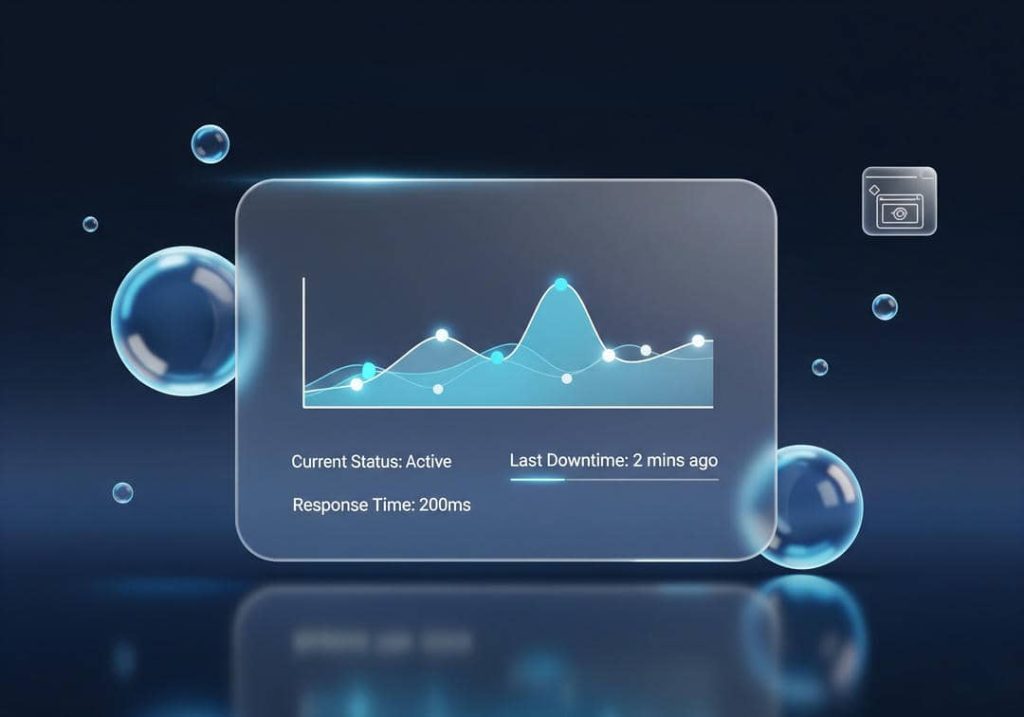
With such high stakes, waiting for frustrated customers to report a problem is no longer acceptable. This is where uptime monitoring plays a role as a proactive defense. Modern monitoring tools work 24/7 to check the health of your website, servers, and applications. They send instant alerts via email, SMS, or work platforms like Slack when a problem is detected. This allows technical teams to spot early warning signs of failure, such as a spike in CPU usage, before the issue becomes a major disaster that cripples your business. By doing so, you can drastically reduce recovery time and minimize losses.
Choosing the Right Tool for Your Business Needs
The market for monitoring software is diverse, ranging from simple to highly comprehensive solutions. Your choice should reflect the maturity level and needs of your business.
For personal projects, hobbies, or non-critical business applications, a tool like UptimeRobot with its free plan is an excellent starting point. It provides basic availability monitoring that answers the simple question: “Is my service up or down?”
However, once your application becomes a primary source of revenue, such as with e-commerce or SaaS sites, you need to switch to a more robust platform like Pingdom or Site24x7. These tools monitor not only availability but also performance, ensuring that critical processes like user logins or checkouts run smoothly.
For technology-focused companies that have adopted a DevOps culture, an integrated platform like Better Stack offers a more strategic choice. This solution combines monitoring with incident management, on-call scheduling, and status pages into a single, efficient workflow to reduce recovery time and prevent team burnout.
Ultimately, the cost of inaction is far higher than the cost of any monitoring tool on the market. Choosing the right solution, one that aligns with your digital maturity and strategic goals, is a critical step toward building a resilient, trustworthy, and profitable digital presence.